
Each year, Quest Diagnostics publishes its Drug Test Index™ (DTI), a series of reports examining workplace drug use trends based on positivity rates from laboratory testing performed by Quest in the prior year. The 2026 DTI reports on results from 2025 and highlights several trends that employers need to be aware of and understand.


A Closer Look: Drug Use Shown in 1 in 5 Workers
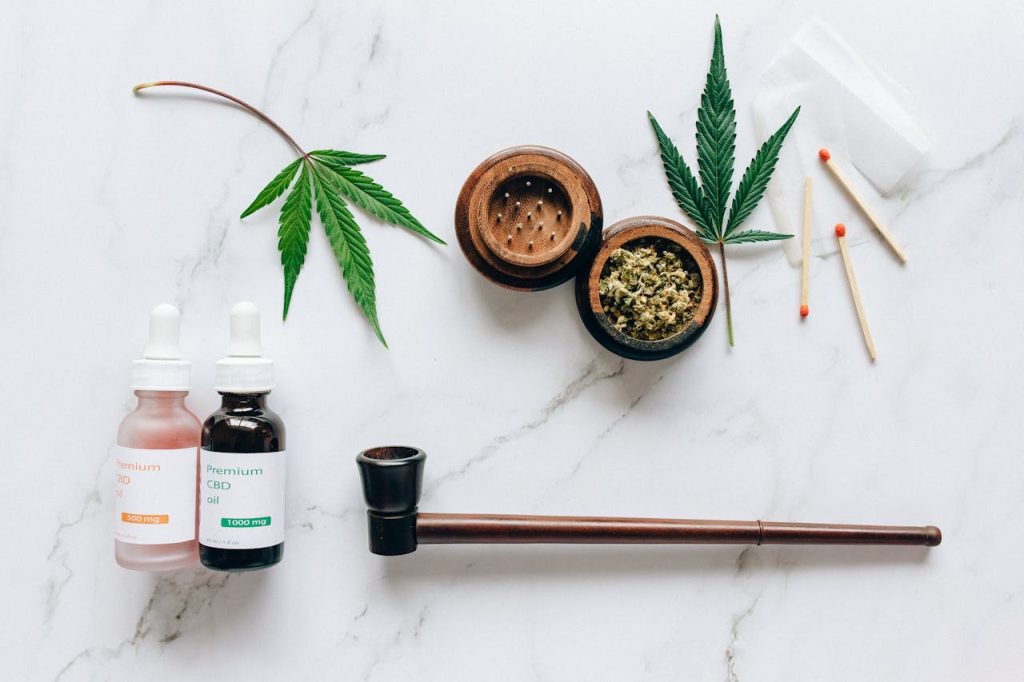
According to the DTI, nearly one in five workers in the general workforce (19.1%) tested positive for drug use via hair analysis in 2025. Unsurprisingly, marijuana accounted for more than half of those positive results.
These results suggest that a sizeable number of workers had used drugs at some point in the 90-day detection window captured by hair testing. While hair testing does a good job of revealing a history of drug use, it does not establish how frequently someone might be using drugs or whether there is any current impairment.
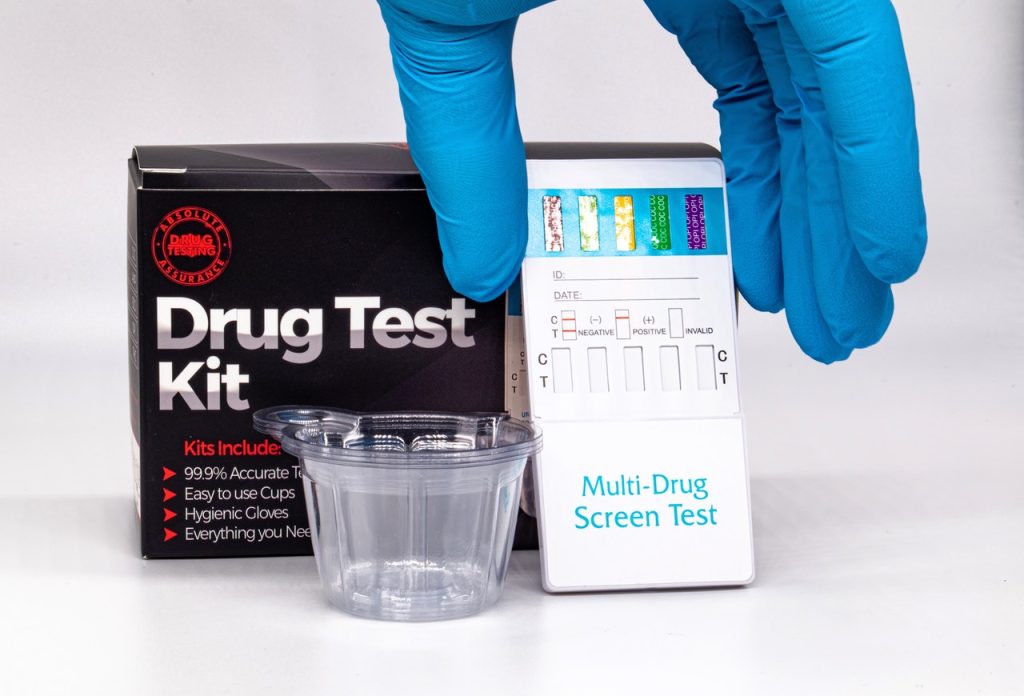
In comparison, urine testing can reveal more recent drug use, within the last several hours or days. This shorter detection window is one reason urine testing is the most common form of workplace drug testing when the concern is whether an individual may be under the influence or impaired. However, it’s important to remember that a positive result, on its own, doesn’t establish impairment.
Why Does It Matter?
These results matter because they show that drug use is fairly common across the workforce. More widespread use increases the likelihood that employers will encounter the harmful consequences and workplace risks of drug use.
Workplace Drug Testing Trends: A Deeper Look at the Results
Across the combined U.S. workforce, overall drug positivity rates have remained above 4% for the last decade. Marijuana continues to be the most commonly detected substance across test types and industry groups.
Results by Testing Reason
For cause testing, also called reasonable suspicion testing, is where you find the highest positivity rates; 12.5% in the federally mandated, safety-sensitive workforce, and 31.9% in the general workforce in 2025. Pre-employment and random testing are where you find the lowest positivity rates; 5% for pre-employment testing and 6.1% for random testing in the general workforce in 2025.
The higher positivity rate with for cause or reasonable suspicion testing suggests that observable, documented concerns can help employers identify situations that go to their primary concern with substance use: potential impairment and associated workplace safety risks. Therefore, employers need to ensure that they have well-defined reasonable suspicion procedures and supervisors trained to recognize possible signs of drug use or impairment and respond to potential impairment.
Results by Industry
When breaking the results down by industry, some interesting trends emerge.
Healthcare had the highest positivity rate (5.7%) across all industry groups, with finance and insurance having the lowest (3.7%). While positivity rates for marijuana were highest across all industry groups, retail trade had the highest industry-specific marijuana positivity rate at 7.6%.
This isn’t to say that marijuana is the only drug of concern across all industries. Among the industry-specific findings, cocaine positivity was highest in construction, opiate positivity was highest in healthcare, and amphetamine positivity was highest in educational services.
Because substance use risks vary by industry, employers should tailor policies, training, and prevention programs to address their specific workplace concerns.
What Should Employers Do with These Results?
Employers should review their drug and alcohol policies to ensure they reflect current law, operational needs, and actual workplace risks. Safety-sensitive employers may also want to evaluate whether their current testing methods and drug panels address the substances and risks most relevant to their workforce, including illegal drugs and prescription drug misuse.
How NAE Can Help
NAE can help employers put these findings into practice.
Our team of experienced human resources and legal professionals can review drug and alcohol policies, provide guidance on Nevada’s marijuana laws (including accommodation requirements for medical marijuana users), and help with specific workplace concerns. NAE also offers reasonable suspicion training to help supervisors recognize possible signs of impairment, objectively document their observations, and respond appropriately.
Whether you need assistance with a policy, training for your team, or guidance with a specific workplace concern, contact NAE to discuss how we can help keep your workplace safe and compliant.
By: Audra L. Parton, JD