
NEURODIVERGENT AT WORK: FROM AWARENESS TO INCLUSION
Neurodivergence is becoming an increasingly important part of conversations about the modern workplace. Research indicates that up to 20% of the world’s population is neurodiverse, meaning a substantial portion of the workforce may think, learn, and communicate in ways that differ from traditional expectations.
Because workplaces have historically been designed as if everyone learns and works in the same way, neurodivergent individuals have been misunderstood and undervalued. However, that is changing.
Greater awareness and openness regarding cognitive differences have shifted the way organizations think about their workplaces. Many employers are recognizing the value in different perspectives and creating a more inclusive environment where more people can be successful.
What is Neurodivergence?
Neurodivergence refers to natural variations in how people think, learn, and process information. It’s an umbrella term referring to a variety of conditions such as autism spectrum disorder, attention deficit hyperactivity disorder (ADHD), dyslexia, Tourette syndrome, sensory processing disorder, and others.
Someone who has these neurodivergent traits is considered neurodivergent.
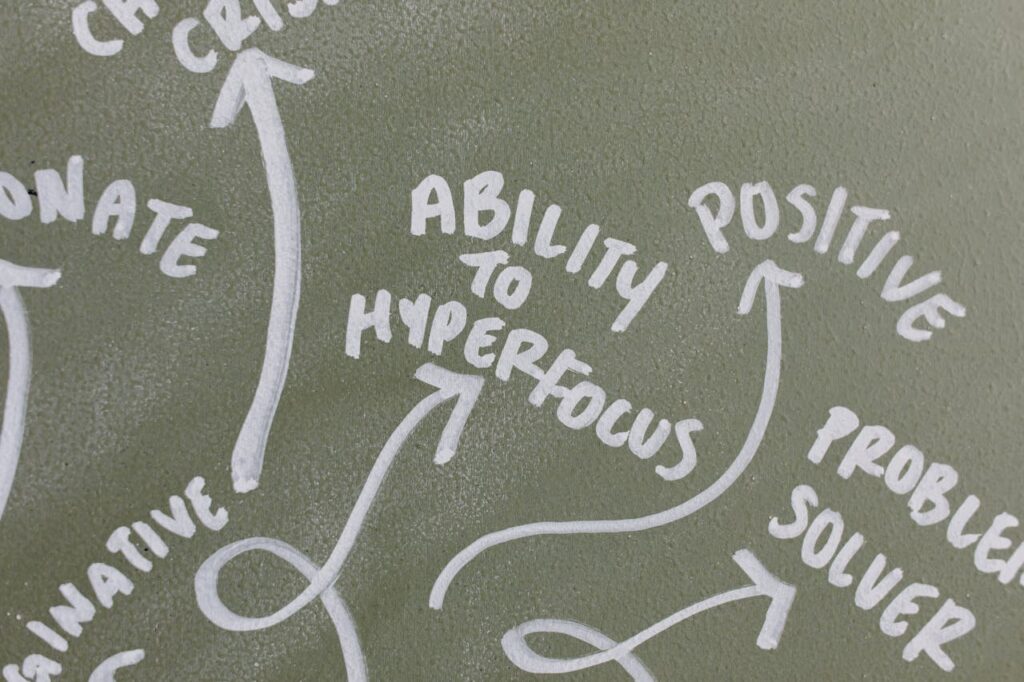
Neurodiversity is a concept that acknowledges and embraces these differences and doesn’t treat them as deficits or impairments. Instead, it acknowledges the unique strengths that neurodivergent individuals possess, like creativity, pattern recognition, deep focus, and innovative problem-solving.
On the other side, someone whose thinking patterns and behaviors are perceived as “normal” by the general population is considered neurotypical.

Workplace Challenges for Neurodivergent Individuals
Neurodivergence is nonvisible. You generally cannot look at someone and know that they are neurodivergent. Since most workplaces are tailored for neurotypical minds, this presents a unique challenge for those who are neurodivergent.
Individuals who may think, learn, or process information differently often have to disclose their specific needs to be able to do their best work. Since 52% of neurodivergent professionals in the United States do not feel comfortable disclosing their condition at work, many may navigate workplace challenges without formal support from their coworkers, leaders, or organization.
And this discomfort is not unfounded. In a recent survey, 10% of respondents reported that they were met with poor responses when they did disclose their condition. Further, 50% of managers reported that they feel uncomfortable hiring a neurodivergent person. Primarily due to a misunderstanding in their abilities to be productive members of the workforce.
Unfortunately, human resources does not fare much better. Less than 30% of HR professionals indicate that they are very confident in being able to identify neurodivergent conditions, with nearly 9% being not confident at all.
Why Being Inclusive is Important
The struggles of neurodivergent individuals largely go unnoticed or are written off as poor performance when organizations fail to recognize or prioritize neurodiversity. As a result, employees may be unfairly judged, overlooked for opportunities, or pushed out of roles where they could have succeeded with the right support. Additionally, organizations miss out on valuable skills and perspectives.
Just as organizations have learned to address barriers related to gender, race, or physical disability, neurodiversity is part of building a fair environment. Ignoring it reinforces invisible barriers that disproportionately exclude capable people.
How Can You Foster Neurodiversity?
There are many ways individuals can foster neurodiversity and contribute to a neurodivergent-friendly environment, even outside of the workplace.
- Practice Awareness: Understanding neurodiversity is the first step. Learn more about neurodivergent features, their specific strengths and challenges, and how to reduce associated stigma.
- Listen: People with neurodivergent features may feel misunderstood or left out. Let others know you hear them and respect their ideas and choices.
- Respect Individual Differences: Regardless of neurodivergence, everyone thinks, processes information and learns differently, so respect those differences and leverage their strengths.
- Communicate Clearly: To reduce potential confusion, ensure communications are specific and include actions so the recipient understands the ask or task.
Ultimately, it comes down to meeting people where they are and treating them with respect.


Making Your Workplace Neurodiversity-Friendly
Having employees from different backgrounds is often the first step to establishing a diverse and inclusive culture. However, unless employees feel comfortable and safe to be themselves and share their talents, their unique skills and knowledge may not be utilized to their full potential.
- Assess hiring and onboarding processes. The hiring process sets the tone with candidates, and inclusive hiring practices can make a good first impression. Along with focusing on skills, consider ways to streamline the hiring and onboarding process, yet make them customizable enough to accommodate various abilities and preferences.
- Create channels that attract neurodiverse workers. Recruiting is not a one-size-fits-all approach, so consider adding tactics that may be more appealing to neurodivergent workers (e.g., host recruiting events with fewer attendees to help reduce social anxiety or provide interviewees with a detailed agenda and description, so they feel more at ease by knowing what to expect).
- Focus on skills-based hiring. Ensure job postings accurately reflect roles and responsibilities. Consider ways to tailor each job description to depict the role correctly and seek transferable skills.
- Offer flexible working options. Telework or remote work models can give workers the flexibility to work in a comfortable environment they have control over. For organizations that adopt an on-site or hybrid work model, consider offering flexible working hours, modified workspaces (e.g., collaborative areas and quiet spaces) and other accommodations (e.g., noise-canceling headphones).
- Encourage employee resource groups. These are usually led by and participated in by employees who share a common interest, lifestyle, background or demographic factor. Generally, all employees are welcome to join an employee resource group to support their co-workers and be allies. A neurodivergent employee resource group could focus on employee support and inclusiveness and provide personal or career development resources.
- Support mentorship. Neurodivergent workers can benefit from strong support from their managers and peers to thrive. A formal mentorship program could help all employees professionally grow and succeed.
- Train managers. While workplace culture starts at the top, managers must receive ongoing training and development to better engage, manage and support employees. In particular, managers could work with neurodivergent employees to help them identify their strengths and help them maximize their contributions.
Building Workplaces Where Everyone Can Thrive
Supporting neurodivergence at work is about treating people fairly and giving them the chance to succeed in ways that work for them. Many of the barriers neurodivergent employees face aren’t about ability. The barriers come from workplaces that weren’t designed with them in mind.
Building a neurodivergent-friendly workplace isn’t about overhauling everything overnight. It’s about making intentional choices, listening to employees, and being open to doing things differently. When people are supported in ways that align with how they think and work best, they are more likely to feel valued, contribute fully, and succeed.
By: Audra L. Parton, JD
Mailing List Sign Up Form
Fill out this mailing list sign up form to receive monthly email updates on the latest NAE news, HR issues, special events, training dates and more!