
EXECUTIVE ORDER RESCHEDULING MARIJUANA DOES NOT SIGNAL FEDERAL LEGALIZATION
On December 18th, President Trump signed an executive order directing the Attorney General to take the necessary steps to expedite the rescheduling of marijuana under the Controlled Substances Act. This was a process that had started under the Biden Administration but had not been completed when he left office in January.
The intent and purpose of the executive order in rescheduling marijuana from a Schedule I substance to a Schedule III substance was to expand research into the medical uses of marijuana. The executive order does not, nor does it appear the Trump Administration has plans for, the legalization of marijuana at the federal level.

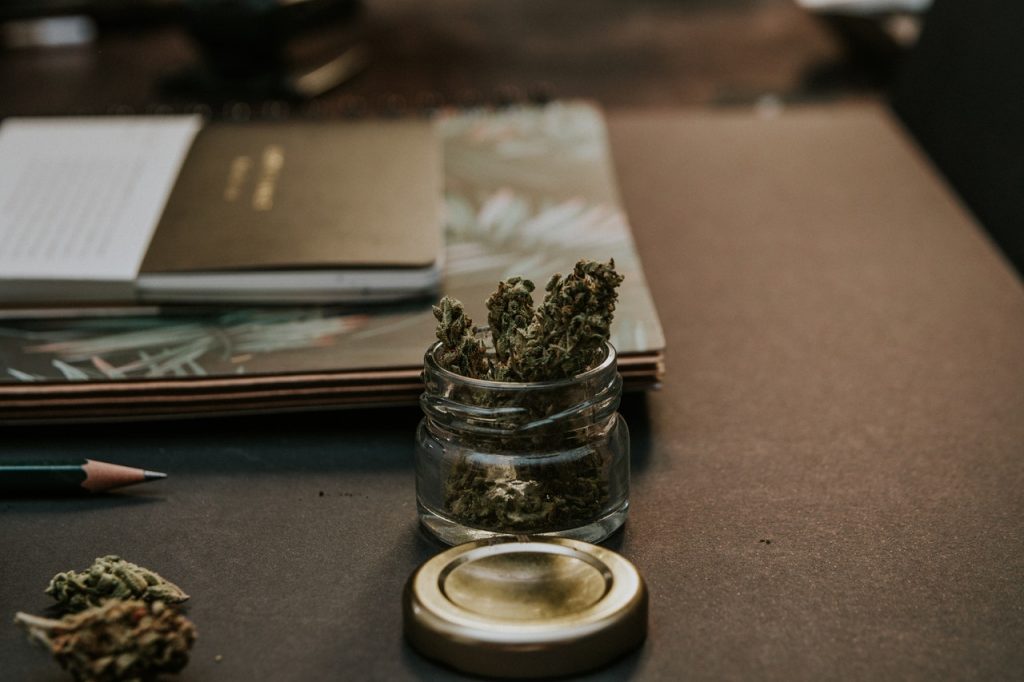
Scheduling of Marijuana under the Controlled Substances Act
The Controlled Substances Act (CSA) classifies and places drugs, substances, and certain chemicals used to make drugs into five distinct categories (Schedule I – V) based on medical use and potential for abuse. Schedule I includes drugs with high potential for abuse with no currently accepted medical use. Schedules II – V include drugs with lower potential for abuse and some potential medical use.
Currently, marijuana is listed as a Schedule I drug along with heroin, lysergic acid diethylamide (LSD), ecstasy, methaqualone, and peyote. When marijuana is rescheduled, it will be placed in the same category as ketamine, anabolic steroids, testosterone, and Tylenol with codeine.
It’s important to note that even though nearly every state has changed its laws regarding marijuana for medical use and almost half have changed their laws regarding marijuana for recreational use, it remains illegal federally. That means, while rare during recent administrations, prosecution for violations of the CSA still occurs despite the state-level changes.
Rescheduling Marijuana from Schedule I to Schedule III
The executive order does not and cannot change the CSA directly. It simply directs federal agencies to take actions necessary to make that change legally.
That is the reason we saw the Department of Justice (DOJ) and Drug Enforcement Administration (DEA) publish a proposed rule during the Biden Administration to reschedule marijuana. The current DOJ can continue the Biden Administration’s efforts to reschedule marijuana by moving that proposed rule forward, or it can choose to issue a new proposed rule to bring about that change.
Alternatively, Congress could choose to move forward with legislation that changes how marijuana is classified under the CSA, what those classifications under the CSA mean, or create a new schedule for marijuana entirely.
What Will Change with Rescheduling Marijuana?
Rescheduling marijuana would not decriminalize or legalize recreational use of marijuana at the federal level. It would remain a controlled substance and subject to regulation under the CSA. However, as a Schedule III drug, it would open to door to more research on marijuana and potentially expand its medical use.


Rescheduling to Schedule III could also change how medical marijuana is currently distributed in many states. For example, Schedule III drugs are drugs that may legally be prescribed. However, prescription drugs must be approved by the Food and Drug Administration (FDA), and manufacturers and distributors of those FDA-approved drugs must register and comply with the regulatory requirements of the DEA.
This change would also likely require users of medical marijuana to get a valid prescription from healthcare practitioners, which would also be subject to federal law requirements.
Rescheduling Marijuana and Workplace Drug Policies
For most employers in Nevada, the rescheduling of marijuana from Schedule I to Schedule III would not have a significant impact on their workplace drug and alcohol policies. Employers can continue to enforce their company policies as to marijuana as they always have, subject to Nevada laws on marijuana.
However, employer obligations regarding reasonable accommodations under the Americans with Disabilities Act (ADA) would come into play for employees who are legally prescribed marijuana as a result of the schedule change. Currently, medical use of marijuana under state law doesn’t trigger ADA obligations due to its scheduling as a Schedule I drug under the CSA.
Employers who are regulated by the Department of Transportation (DOT) should expect to see a change in the DOT’s drug and alcohol testing regulations. Currently, those regulations only allow for drug testing of Schedule I and Schedule II substances. Moving marijuana to Schedule III would affect those employers’ ability to test for marijuana under current regulations.
However, until the rescheduling process is complete, federally regulated employers should continue to conduct drug testing as usual.
Final Thoughts
Despite the executive order’s call for the rescheduling process to be expedited, there is no timeline for rescheduling to be accomplished, and it’s anticipated that the process of rescheduling will take time. Therefore, employers should continue to monitor the process, but do not need to make any changes to processes or policy at this time. Even after rescheduling occurs, as explained earlier, there are other hurdles that will have to be overcome. We also anticipate there may be legal challenges to the rescheduling.
While there is plenty to discuss regarding this change, there is no reason to panic.
By: Audra L. Parton, JD
Mailing List Sign Up Form
Fill out this mailing list sign up form to receive monthly email updates on the latest NAE news, HR issues, special events, training dates and more!