
THE LEGAL PITFALLS OF GOOGLING JOB APPLICANTS
When Due Diligence Becomes Legal Exposure
Getting information about job candidates is easier than ever in 2026. Even though Nevada employers cannot require job applicants to hand over their social media accounts directly, it has become second nature for some to run a quick Google search of an applicant’s name before making a hiring decision. Doing this can feel harmless (and maybe even like the responsible thing to do in a world where someone’s disqualifying online presence or rap sheet might be right at our fingertips).
But for employers, an informal Google search can create legal exposure that far outweighs whatever insight it provides. Here is what you need to know before you hit search.
Pitfall #1: Protected Class Information That Can’t Be Unseen
Federal law prohibits employers from making hiring decisions based on a candidate’s race, color, religion, sex, national origin, military status, disability, or age (for applicants 40 and older). Nevada law goes further, adding sexual orientation, gender identity or expression, and pregnancy as protected categories under NRS § 613.330. None of this information is supposed to factor into who gets hired.


The trouble with looking up an applicant is that within seconds of searching their name, employers are flooded with a trove of personal information that they should not legally be considering in their hiring decision. Results may reveal someone’s race, approximate age, or disability (or the misguided perception that one exists). They might show the applicant’s mention of church or religious community, a wedding announcement indicating a same-sex marriage, or a news article about a health condition or injury. Once the employer has seen this information, it cannot be unseen… and if you later decide not to hire that person (even if there is a job-related reason), it becomes very difficult to prove that none of what they found influenced their decision.
Courts and the Equal Employment Opportunity Commission (EEOC) are well aware of this dynamic. Even when an employer’s stated reason for passing on a candidate is entirely legitimate, a pattern of conducting internet searches and then rejecting candidates from protected groups can support an inference of discrimination. The legal risk, therefore, exists even when the intent to make a discriminatory hiring decision does not.
Pitfall #2: Lawful Off-Duty Conduct That’s Legal in Nevada
In addition to federal law considerations, Nevada offers employees and prospective employees legal protection to engage in lawful off-duty conduct. This not only includes the use of alcohol and tobacco that does not affect work performance or pose a safety issue, but also political affiliation and activity.
If a Google search turns up photos of a candidate at a protest, a letter to the editor supporting a political cause, or a history of donations to an advocacy organization or political party, and the employer uses that information to screen the person out, they may be at significant risk of violating the law. This protection applies across the political spectrum; passing over a candidate for their conservative views carries the same legal risk as doing so for progressive ones, and even those on the political fringes are protected as long as they do not engage in illegal conduct.


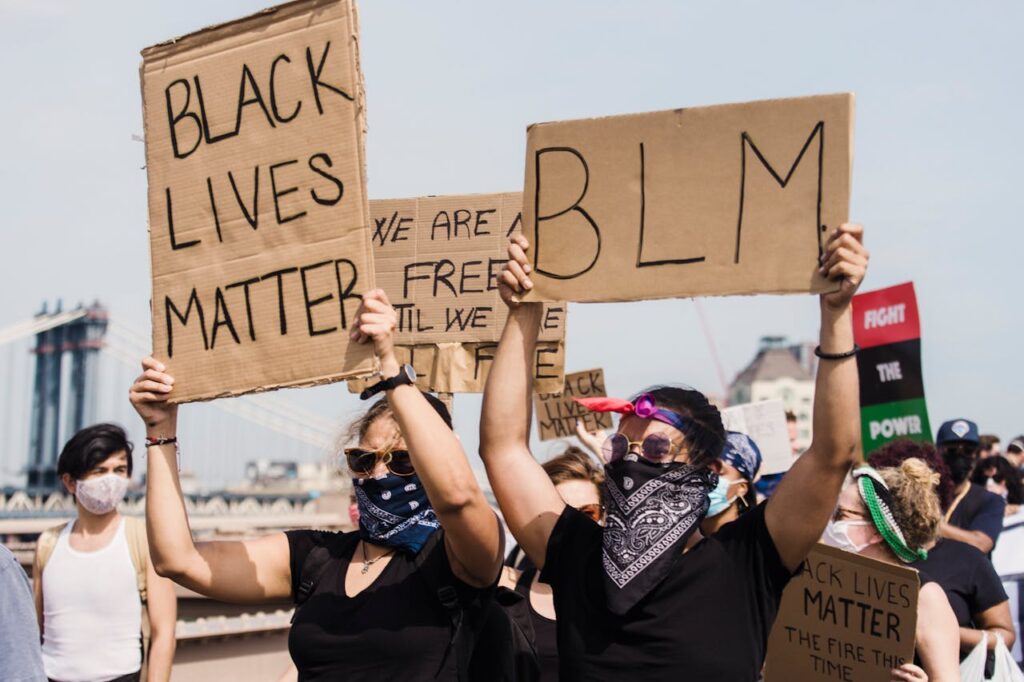
The risk is compounded by the fact that political expression often overlaps with protected class status. Posts about immigration policy, religious liberty, racial justice, or LGBTQ+ rights touch directly on protected characteristics (and even if the employer is mistaken in assuming affiliation = membership in a protected class, the same legal protections apply). An employer fighting claims that they rejected job applicants over political affiliation under state law may also find themselves in federal court if that political affiliation is inseparable from candidates’ religion, national origin, or identity.
Pitfall #3: Ill-Begotten Information About Criminal Records
What about when a Google search turns up someone’s criminal history? Employers sometimes make the mistake of assuming that accurate negative online information about an applicant’s past contact with the legal system (a news article about an arrest or conviction, a lawsuit, or even presence on the sex offender registry) is fair game. This is not always the case, and even when such information is disqualifying, failure to follow the proper procedure to obtain it can land employers in hot water.


While Nevada public employers are subject to certain requirements under the state’s “Ban the Box” law, private employers are generally free to require criminal background checks during the hiring process. Even so, there are limits to the results that can be considered and to how employers must conduct the process. The Fair Credit Reporting Act (FCRA) imposes strict procedural requirements on employers when using third-party services to conduct background checks on applicants: the employer must obtain written consent from the applicant, provide specific disclosures, and follow a formal adverse action process before rejecting someone based on the report. Many employers do not realize that some online background-screening tools qualify as consumer reporting agencies under the FCRA. Using them without following the required steps exposes the employer to federal liability.
Further, even when employers follow proper FRCA procedure, the EEOC has warned that using criminal records as an absolute bar to employment can violate Title VII of the Civil Rights Act if the practice has a disparate impact on certain protected classes. The best move when it comes to considering criminal records in hiring is to conduct individualized assessments that consider the nature of the offense, how much time has passed, and whether the conviction is actually relevant to the specific job in question.
Pitfall #4: The Consistency Problem
Regardless of what pops up when Googling a candidate’s name, how an employer conducts their due diligence matters. If an employer looks up some applicants but not others (or searches for information about candidates of one demographic over another, even inadvertently), that inconsistency can itself become evidence of discriminatory intent in litigation.
Employment discrimination cases are often built on pattern evidence. An employee-plaintiff’s attorney who can show that the employer ran online searches on minority candidates at a higher rate, or only searched candidates of a particular religion or national origin, has the foundation of a strong disparate treatment claim that would be hard to defend.
Conclusion
The safest approach employers can take when screening candidates is to standardize the process and limit online research. It may be unrealistic to tell companies not to Google job applicants, but if they do, they should develop a procedure that applies uniformly to all candidates, defines what categories of information are relevant to the role in question, and keeps protected class information out of the decision-making process. This might mean designating someone who will not be involved in the final decision to perform the search and filter out any legally irrelevant information.
By: Shay Digenan, Esq.
Mailing List Sign Up Form
Fill out this mailing list sign up form to receive monthly email updates on the latest NAE news, HR issues, special events, training dates and more!