
NEW CASE ON POLITICAL SPEECH IN THE WORKPLACE
A new case recently decided by the Eighth Circuit Court of Appeals (Eighth Circuit) in November of this year once again highlights the importance of having clear dress code policies. In Home Depot U.S.A. v. NLRB, the Eighth Circuit reaffirmed the right of employers to prohibit employees, especially those in customer-facing roles, from wearing politically-focused symbols on their work uniforms.
Political Speech vs. Home Depot Policy
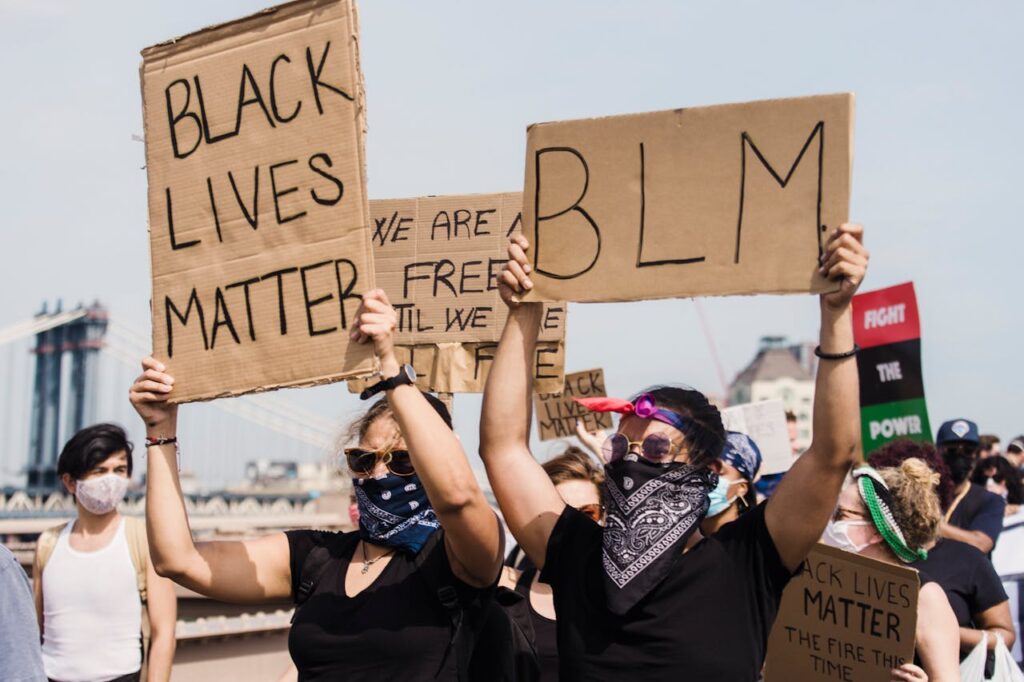
The case arose from a Home Depot store located in Minnesota in the months following the murder of George Floyd. During this time, an employee at Home Depot began wearing BLM, an abbreviation for Black Lives Matter, on the front of his work uniform. As anyone who has frequented a Home Depot before knows, Home Depot encourages its employees to customize their work uniforms, specifically their aprons, with personalized messages.
However, Home Depot’s dress code policy prohibited employees from displaying political, religious, or cause-related messages unrelated to workplace matters. Upon discovering the BLM on the employee’s work uniform, Home Depot asked the employee to remove the letters from his apron. This resulted in the employee later resigning when Home Depot refused to allow the employee to return to work until he complied with the company dress code.



NLRB Finds Protected Concerted Activity under NLRA
After his resignation, the employee filed an unfair labor practice charge with the National Labor Relations Board (NLRB), alleging that Home Depot’s dress policy violated his rights under Sections 7 and 8(a)(1) of the National Labor Relations Act (NLRA).
Upon hearing the claim, the NLRB ruled in favor of the employee and found that the employee engaged in protected concerted activity when he displayed BLM on his work uniform. The NLRB detailed its reasoning behind its ruling, which was that the employee’s message on his uniform was a commentary on the terms and conditions of his employment because it was connected to broader issues of racial discrimination and working conditions, which therefore constituted protected expression under the NLRA.
Eighth Circuit Court Says Context Matters
Home Depot appealed the NLRB’s ruling to the Eighth Circuit. Upon hearing the case, the Eighth Circuit reversed the decision of the NLRB.
In its decision, the Eighth Circuit expressed that Home Depot had articulated sufficient business reasons for its dress code policy, which included risks to public image and the increased risk to employee safety if employees were allowed to display political imagery or messages on their aprons.
The Eighth Circuit specifically pointed to the circumstances surrounding the situation, noting, “Context matters. The activity in dispute was not a display at a random location in the United States; it was not a normal moment in time; and it was not a generic message for equal rights or employee protection . . . [The employee’s] BLM message was broadcast only a few miles from the site of George Floyd’s murder.”
Decision Does Not Allow Blanket Prohibition
Employers should keep in mind that the decision in this case is very fact-specific. The Eighth Circuit clearly acknowledges that context matters in regulating workplace expression by employees. The ruling does not grant blanket authority for employers to prohibit all social or political messages. Instead, the Eighth Circuit reaffirmed that an employer’s restrictions in these situations must be clearly justified by specific business needs. The Eighth Circuit’s reasoning heavily relied on the unique timing and local tensions that existed at the time of the incident.
What are the Key Takeaways for Nevada Employers?
Employers in Nevada are under the jurisdiction of the Ninth Circuit Court of Appeals, so the Home Depot ruling does not apply to businesses in the State. However, this ruling does provide good insight into how the NLRB and Courts view these types of policies implemented by employers.
Nevada employers should still take steps to ensure that they remain compliant under the law.
- Consistent Application of Company Policies: Any policy that regulates an employee’s expression in the workplace must be applied even-handedly. Singling out one message or individual will invite discrimination claims to be filed against the company.
- Documentation Matters: If restrictions are placed on employees’ expression in the workplace, an employer needs to thoroughly document the legitimate safety operations or customer relations reasons that support these restrictions.
- Training All Managers and Supervisors: It is important that the individuals enforcing these policies understand where lawful enforcement ends and the protective rights for employees begin. Managers and supervisors need to receive training so they know how to navigate these highly charged situations.
By: Cara Sheehan, Esq.
Mailing List Sign Up Form
Fill out this mailing list sign up form to receive monthly email updates on the latest NAE news, HR issues, special events, training dates and more!